
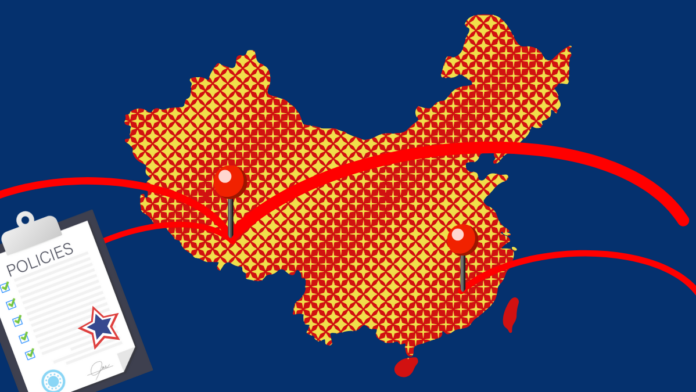
In the high-stakes world of global politics and economics, few sectors wield as much power and influence as the energy industry. At the heart of this influence is energy lobbying firm, sophisticated organizations that operate not just within national capitals, but across international borders. These firms are key players in a complex global game, strategically shaping international policy and trade agreements to serve the interests of their clients—be it major oil and gas companies, renewable energy innovators, or a host of other energy-related entities. Their work is a delicate dance of advocacy, negotiation, and information dissemination, profoundly impacting everything from climate change accords to the price of fuel at the pump.
The energy sector is intrinsically linked to geopolitical stability, economic growth, and national security. This makes it a primary focus for governments, but it also creates an arena where private interests can significantly influence public outcomes. Energy lobbying firms serve as the conduits for this influence, bridging the gap between industry and government, and transforming commercial goals into political realities.
The Architects of Influence: Beyond the Traditional Lobbyist
Today’s energy lobbying firms are far more than the traditional image of a person shaking hands on a political floor. They are highly specialized, often multidisciplinary teams comprised of former government officials, trade lawyers, public relations experts, and policy analysts. Their expertise lies in understanding the intricate details of a country’s regulatory framework, the nuances of international trade law, and the shifting dynamics of global alliances.
Their methods are varied and highly strategic. They engage in direct lobbying, advocating for specific legislative changes in national capitals. They also work through indirect channels, funding think tanks that produce research favorable to their clients’ positions, orchestrating public relations campaigns to shape public opinion, and building grassroots coalitions that apply pressure from the ground up. On the international stage, their work becomes even more complex, involving careful diplomatic engagement and leveraging multinational platforms to advance their agendas.
Shaping International Policy: A Seat at the Negotiation Table
The influence of energy lobbying firms is perhaps most visible in major international policy debates, particularly those concerning climate change and environmental regulation. As nations gather to forge agreements, these firms work to ensure their clients’ interests are represented. They often have a seat, or an influential presence, at the negotiation table, either as formal delegates or as trusted advisors.
For fossil fuel interests, their goal might be to slow the pace of transition away from carbon-intensive fuels, advocate for policies that favor carbon capture technology, or secure subsidies that make their operations more economically viable. This constant push and pull directly influences the commitments nations make on climate action, determining the speed and direction of the global energy transition.
Driving Global Trade: Opening and Closing Markets
Energy is a global commodity, and international trade agreements are vital to its distribution. Energy lobbying firms play a critical role in shaping these agreements, influencing everything from tariffs and trade barriers to intellectual property rights for energy technologies.
For companies with operations in multiple countries, these firms work to secure favorable terms that facilitate the easy movement of resources, equipment, and personnel across borders. They might lobby for the removal of tariffs on energy-related machinery or advocate for protections for their intellectual property when entering new markets. This is particularly important for liquefied natural gas (LNG) and crude oil, where securing long-term trade deals is essential for stable supply and predictable revenue.
Conclusion: A Global Force for Change
The influence of energy lobbying firms is a pervasive and enduring force in the global arena. They are the architects of policy, the navigators of trade, and the shapers of public opinion, all working to advance the interests of one of the world’s most powerful industries. Their work is a testament to the seamless integration of business and politics on an international scale. While their efforts often face scrutiny and debate—particularly concerning their role in climate policy—there is no denying their effectiveness. As the world continues its complex transition toward a new energy future, the strategies and actions of these firms will continue to be a central factor, profoundly influencing the direction of international policy and the nature of the global economy for years to come.


